
Parenting guide for new parents
From pregnancy to early childhood
Pregnancy and preparing for birth
Attend antenatal care early and regularly; follow all advice on supplements, vaccines, and tests.
Eat balanced meals with local foods: beans, sweet potatoes, leafy greens, fruits, milk, eggs and clean water.
Avoid alcohol, tobacco and unnecessary medicines; always ask a health worker first.
Discuss birth plans with your partner and family, including transport to a health facility and who will support you at home after birth.
Respect cultural traditions (naming, family blessings) while still prioritizing medical care when needed.
The first weeks with baby
Deliver in a health facility if possible, and keep close follow‑up with nurses or community health workers.
Start breastfeeding within the first hour after birth and give only breast milk (no water, herbs, or porridge) for 6 months unless a health worker advises otherwise.
Keep your baby warm, clean and close to you; skin‑to‑skin contact helps with bonding and breastfeeding.
Limit visitors in the first days if baby or mother is tired; ask family to help with chores so the mother can rest.
Follow vaccination calendar and growth monitoring visits at your nearest health center.
Feeding and health in the first 2 years
0–6 months: exclusive breastfeeding on demand, day and night.
6–24 months: continue breastfeeding and add soft family foods: mashed beans (including iron‑rich beans), orange sweet potatoes, bananas, potatoes, cassava, ugali, avocado, eggs, fish and leafy greens.
Feed responsive: talk to your baby, watch their hunger and fullness cues, never force but encourage gently.
Maintain hygiene: wash hands with soap before feeding, use clean utensils, and store food safely.
Go to the clinic quickly for fever, difficulty breathing, diarrhea, poor feeding, or if the baby seems unusually sleepy or irritable.
Love, bonding and discipline
Hold, cuddle and talk to your baby often; eye contact and gentle voice build trust and security.
As the child grows, play simple games, sing, tell stories in Kinyarwanda and your family language; this supports brain development and cultural identity.
Use positive discipline: explain, guide and model good behavior; avoid harsh physical punishment, insults or shaming.
Show respect to elders while also protecting your child from any harmful practices or violence, even if they are “traditional.”
Involve fathers actively in bathing, feeding, playing and school support; parenting is for both parents and the wider umuryango (family).
Values, culture and community
Teach children Rwandan values: respect for elders, helping at home, honesty, peace and unity (Ndi Umunyarwanda spirit).
Use daily life to teach responsibility: small age‑appropriate tasks, greeting visitors politely, sharing with siblings.
Maintain important cultural practices—naming ceremonies, family gatherings, visiting grandparents—while keeping safety in mind (hygiene, safe travel, no alcohol for children).
Work with teachers, community leaders and health workers; they are partners in raising your child in a safe and loving environment.
If you experienced trauma or stress, consider talking to a counselor, church leader or support group so you can parent with more peace.
Moments


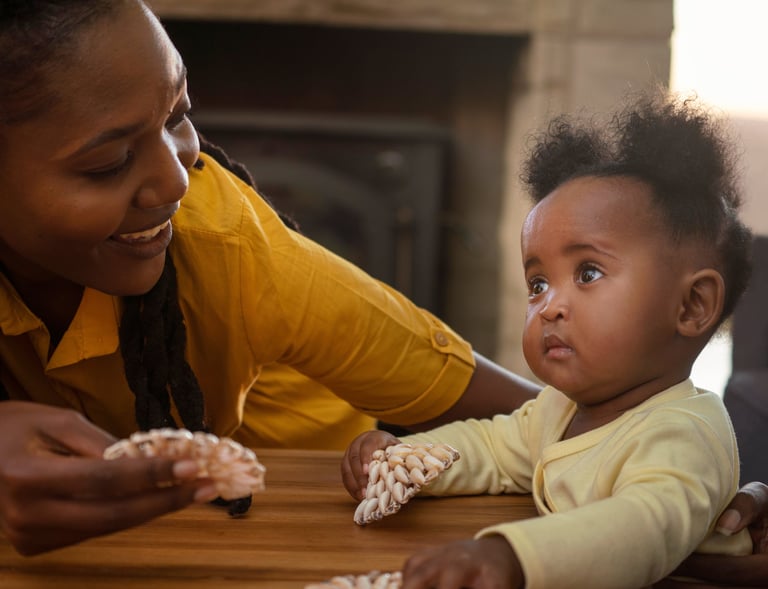
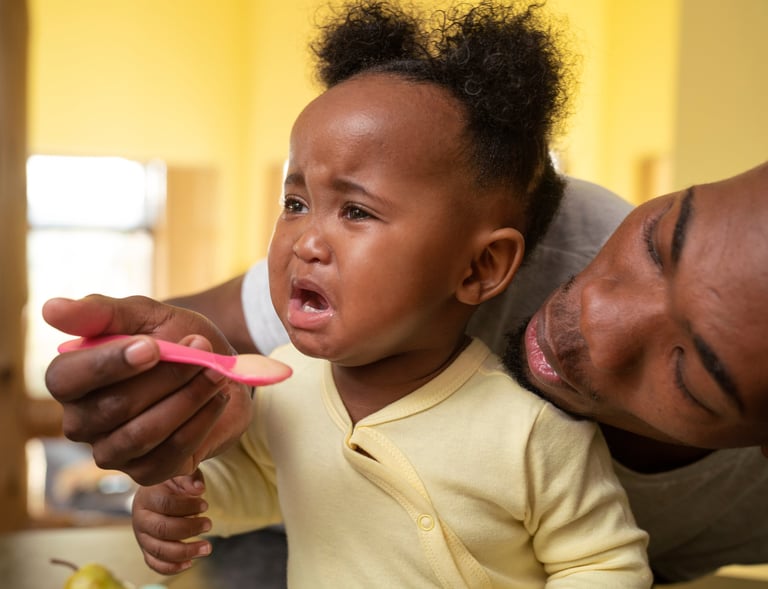
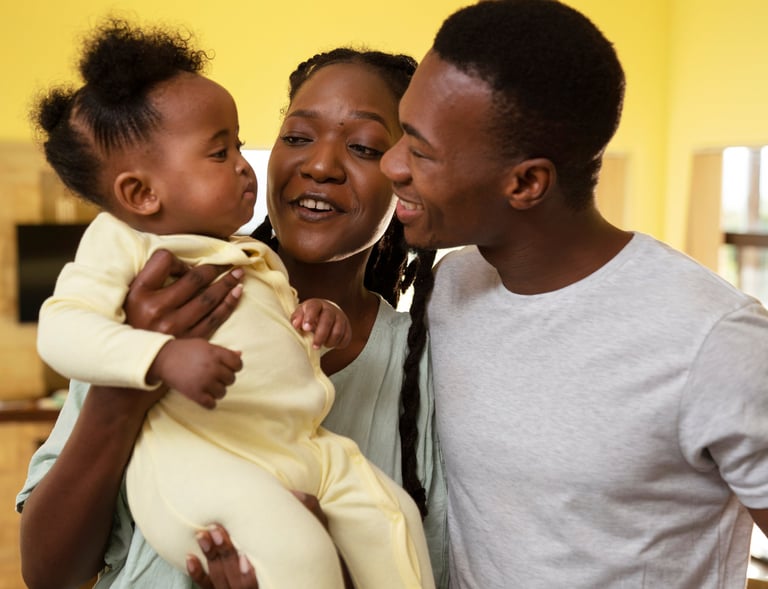


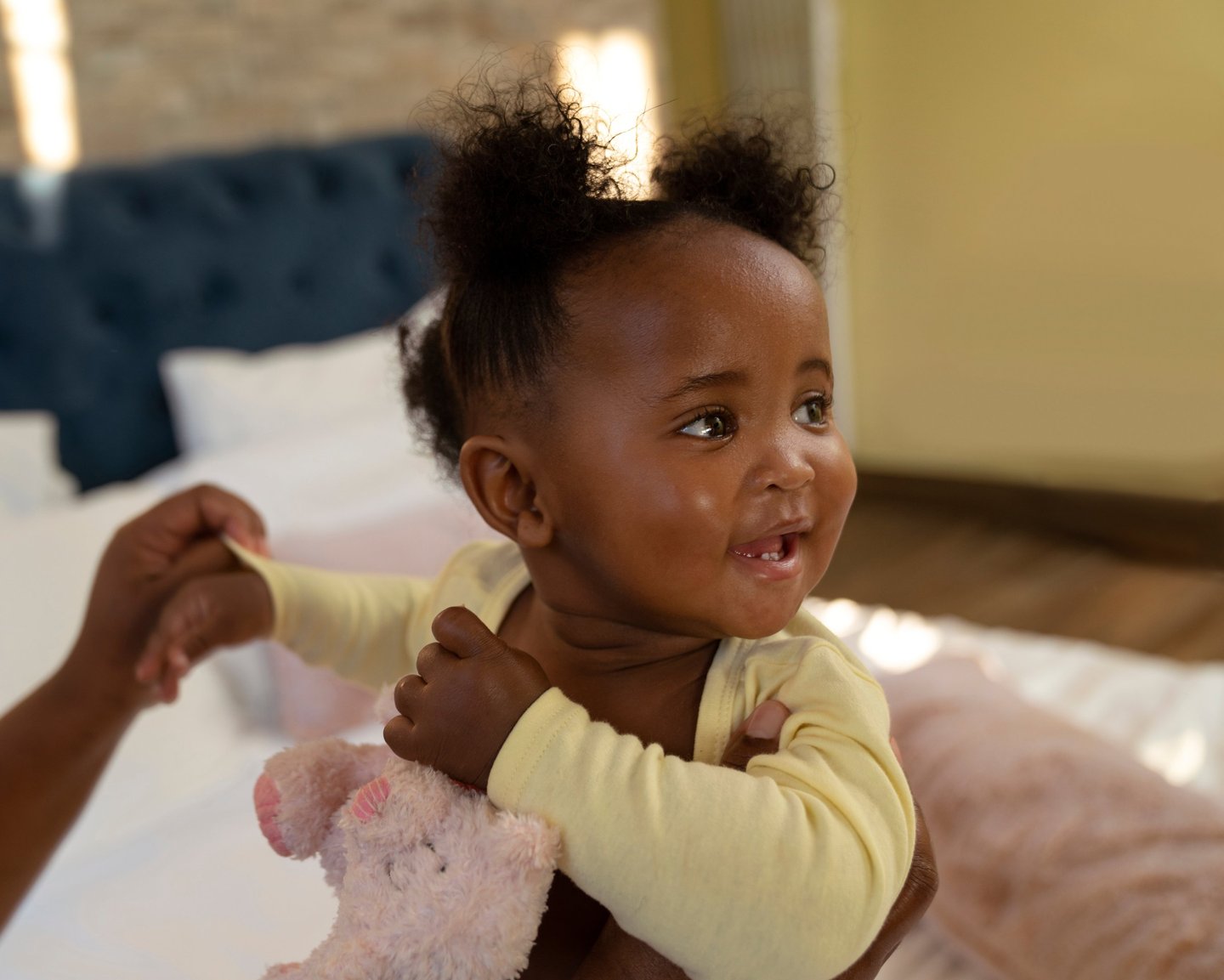
Snapshots of care, love, and trust in every frame
We’re here to support your motherhood journey.
Call or message us
+250 788 354 216
Copyright-2026©Famoracare. All rights reserved. Designed by Consultoria Virtual