Nutrition Plans
Babies should be exclusively breastfed for the first 6 months, then continue breastfeeding with varied local foods from 6–24 months and beyond.
Key principles (all ages)
Exclusive breastfeeding from birth to 6 months; no water, teas, or porridge.
At 6 months, start complementary foods while continuing to breastfeed on demand up to 2 years or more.
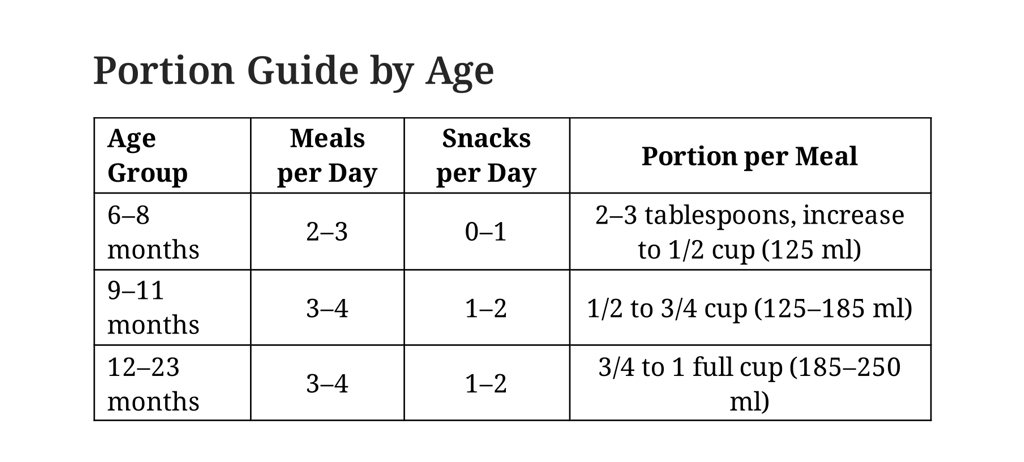
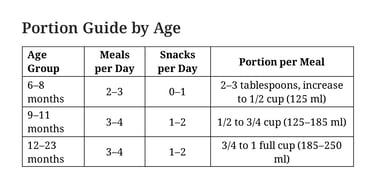
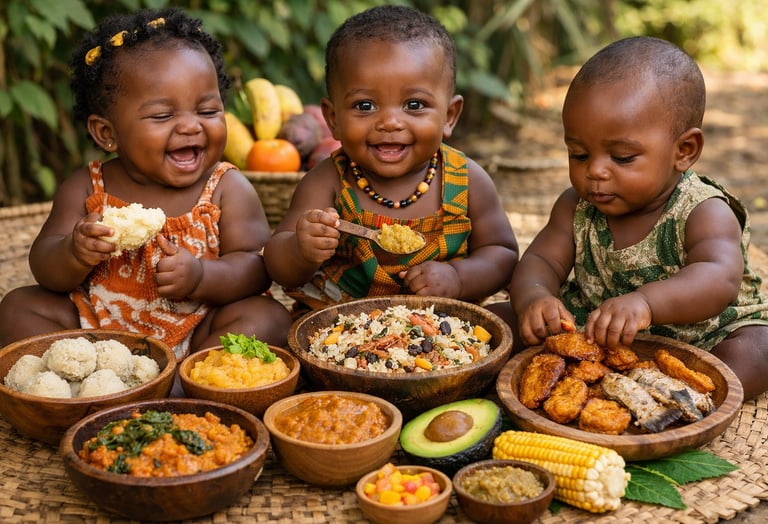
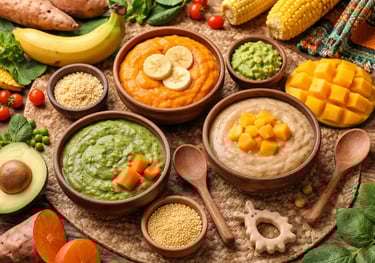
Start with soft, thick porridge and mashed foods; gradually increase variety, texture, and meal frequency (2–3 meals/day at 6–8 months, 3–4 at 9–23 months, plus 1–2 snacks).
Include iron‑rich foods (meat, liver, fish, eggs, beans, cowpeas, dark leafy greens, millet, sorghum) often to prevent anaemia.
Practice good hygiene (handwashing, clean utensils, fresh cooking) to reduce diarrhea.
Request Nutrition Plans
Click below to request nutrition plans. We'll get back to you within 24 hours.
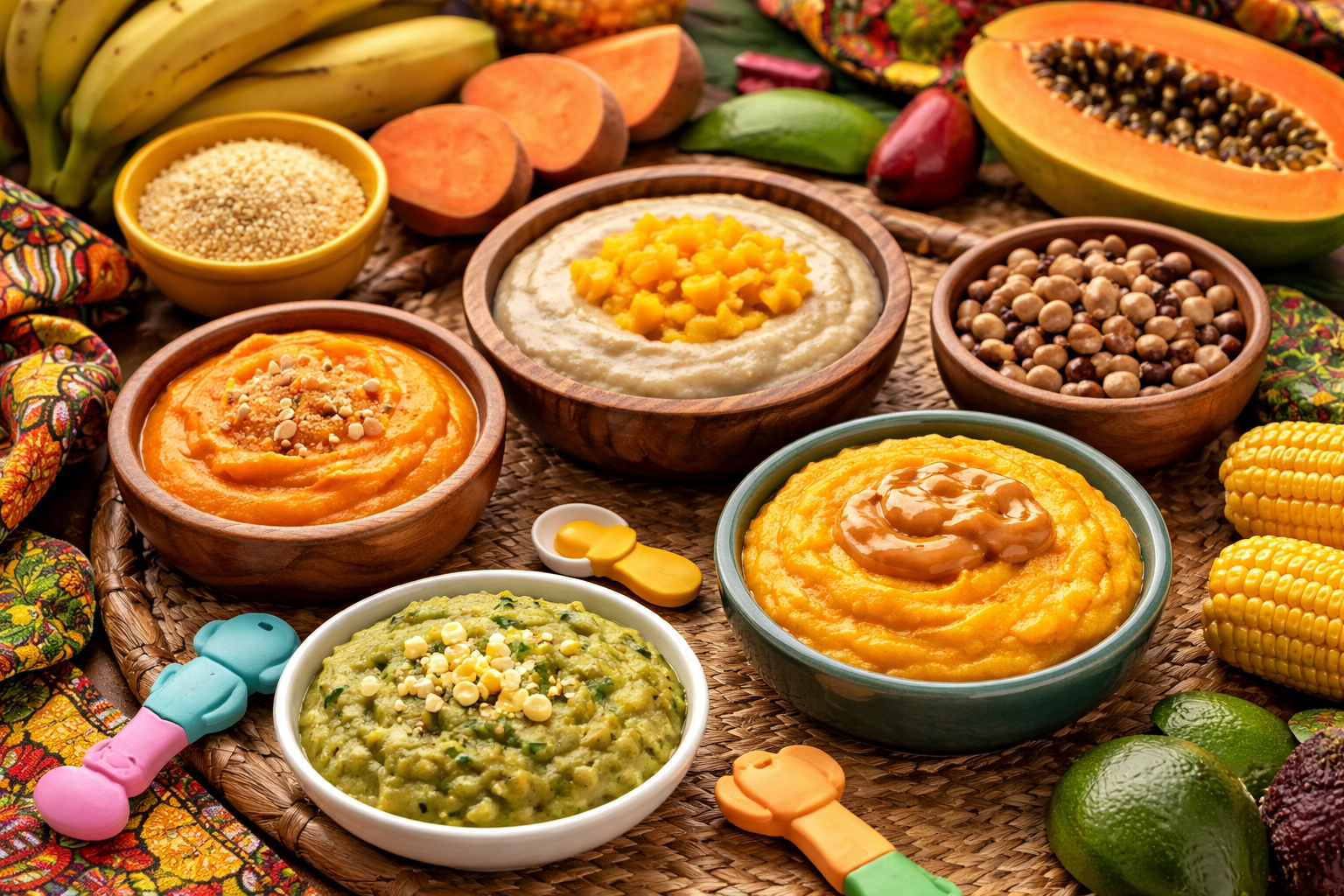
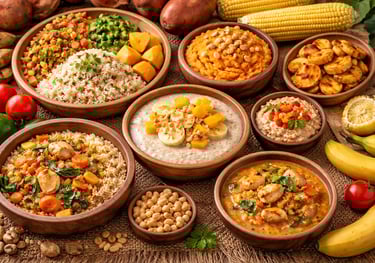
One‑week nutritional meal plans using common African ingredients; adjust portions to your baby’s appetite and growth, and always breastfeed freely.
Rwanda‑style 7‑day plan for 6–23 month‑old babies using common local foods like beans, sweet potatoes, bananas, maize, cassava and leafy greens, assuming continued breastfeeding.
Before the 7‑day plan
Breastfeed on demand day and night until at least 2 years.
Start complementary foods at 6 months; by 6–8 months give 2–3 meals/day, 9–23 months 3–4 meals/day plus 1–2 snacks.
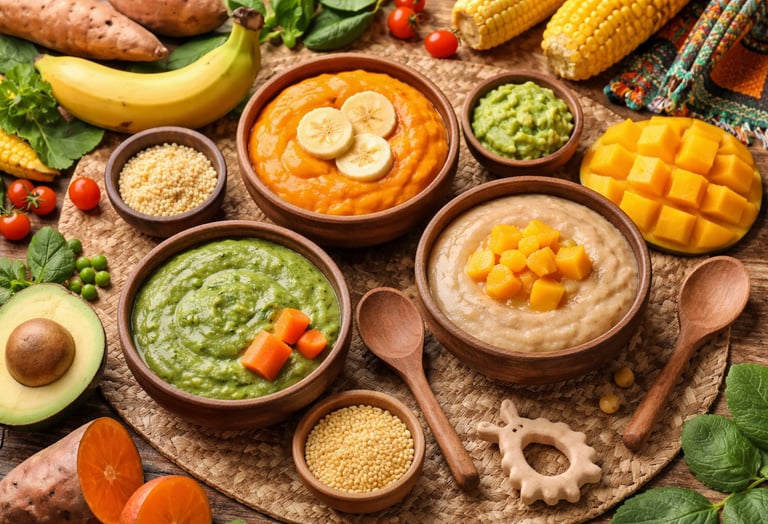
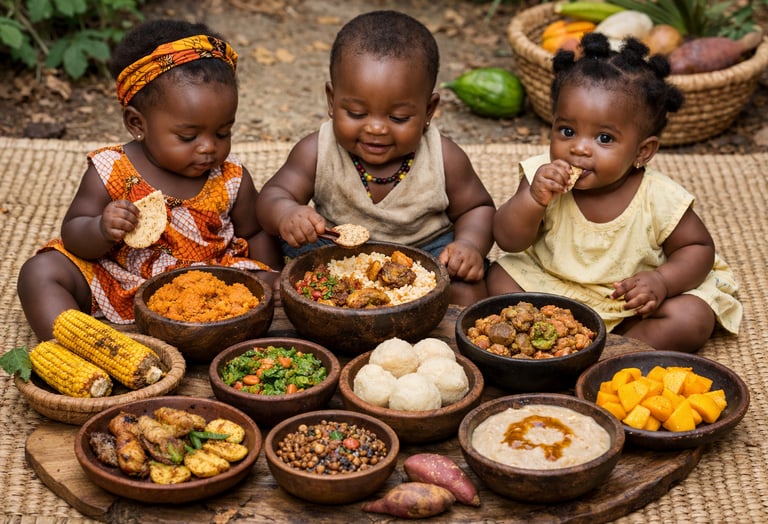
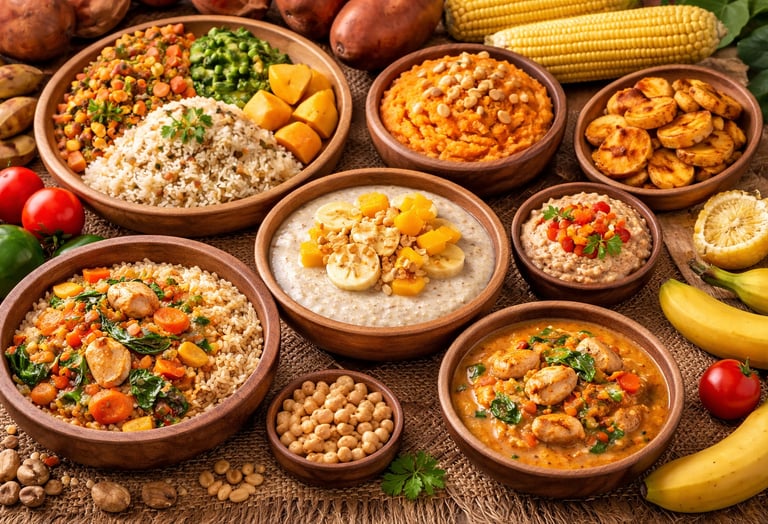
Use common Rwandan staples: beans (including iron‑rich “iron beans”), sweet potatoes (especially orange‑fleshed), cooking bananas, maize, cassava, Irish potatoes, avocado, leafy greens (dodo/amaranth, spinach, bean leaves), milk, eggs, small fish.
For 6–8 months: mash very soft, no chunks; for older babies: soft family food, chopped small.
Below: one week sample for a healthy breastfed baby 9–18 months; for 6–8 months, give smaller portions and mash smoother.
Day 1
Breakfast: Thick maize or sorghum porridge enriched with a spoon of ground soybean or peanut and a little oil; mashed ripe banana mixed in.
Snack: Small pieces of ripe papaya or banana.
Lunch: Soft mashed beans (iron beans if available) with mashed orange‑fleshed sweet potato and finely chopped cooked amaranth/dodo in a little oil.
Snack: Plain boiled milk or yoghurt (if tolerated) with a piece of soft sweet potato.
Dinner: Soft rice with mashed cooking banana and flaked, well‑cooked small fish (no bones).
Day 2
Breakfast: Finger‑millet or sorghum porridge cooked with milk and a little oil.
Snack: Avocado mashed with a little banana.
Lunch: Soft ugali (from maize) with bean stew (beans, tomato, onion) and finely chopped leafy greens.
Snack: Piece of boiled pumpkin or butternut, mashed.
Dinner: Mashed Irish potato with minced meat or chicken and vegetables (carrot, green beans) cooked very soft.
Day 3
Breakfast: Maize porridge enriched with groundnut paste and a little sugar or mashed fruit for taste.
Snack: Small pieces of ripe mango (or banana if mango not available).
Lunch: Mashed cassava with beans and chopped spinach or bean leaves in oil.
Snack: Cup of milk or thin yoghurt; small piece of bread softened in milk for older baby.
Dinner: Soft cooking banana stew with a little beef or fish and vegetables (tomato, onions, carrots) mashed or chopped very small.
Day 4
Breakfast: Sweet potato mashed with milk and a little oil.
Snack: Papaya or banana.
Lunch: Rice and beans with finely chopped greens; mash lightly for younger baby.
Snack: Avocado spread on small pieces of soft bread or mashed alone.
Dinner: Soft ugali with vegetable stew (pumpkin, greens, tomato, onion) and a small amount of egg or fish.
Day 5
Breakfast: Millet/maize porridge with ground sesame or sunflower seeds and mashed fruit.
Snack: Boiled egg (start with egg yolk for younger babies), mashed well.
Lunch: Sweet potato and bean mix, with finely chopped amaranth leaves fried lightly in oil.
Snack: Milk or yoghurt; a piece of soft cooking banana.
Dinner: Mashed Irish potato with minced meat/chicken and peas or green beans.
Day 6
Breakfast: Maize porridge enriched with soya flour or peanut paste.
Snack: Avocado and banana mash.
Lunch: Soft rice with lentils or beans and vegetables (carrot, spinach) cooked until very soft.
Snack: Boiled pumpkin or sweet potato.
Dinner: Cooking banana and cassava mixture with a little fish or egg and greens.
Day 7
Breakfast: Sorghum or millet porridge with milk and groundnuts.
Snack: Ripe fruit (mango, papaya, banana) depending on season.
Lunch: Ugali with bean stew and dark green leafy vegetables (dodo, spinach, bean leaves) in oil.
Snack: Small cup of milk; piece of soft sweet potato.
Dinner: Rice or potatoes with chicken or fish and mixed vegetables, all soft and finely chopped.
Extra tips:
Try to include beans daily; iron‑rich beans now grown in Rwanda can cover a big part of iron needs for young children.
Use orange‑fleshed sweet potatoes, bio-fortified beans and other bio-fortified crops when available; they help vitamin A and iron intake.
Add a little oil to children’s food (fortified vegetable oil is used in Rwanda school feeding) to increase energy and help absorb vitamins.
Offer clean, safe water from 6 months in a cup (not bottle) after meals.
Avoid honey before 12 months, avoid adding salt and strong spices.
We’re here to support your motherhood journey.
Call or message us
+250 788 354 216
Copyright-2026©Famoracare. All rights reserved. Designed by Consultoria Virtual