FAMORA CARE SOCIAL MEDIA CONTENT CALENDAR
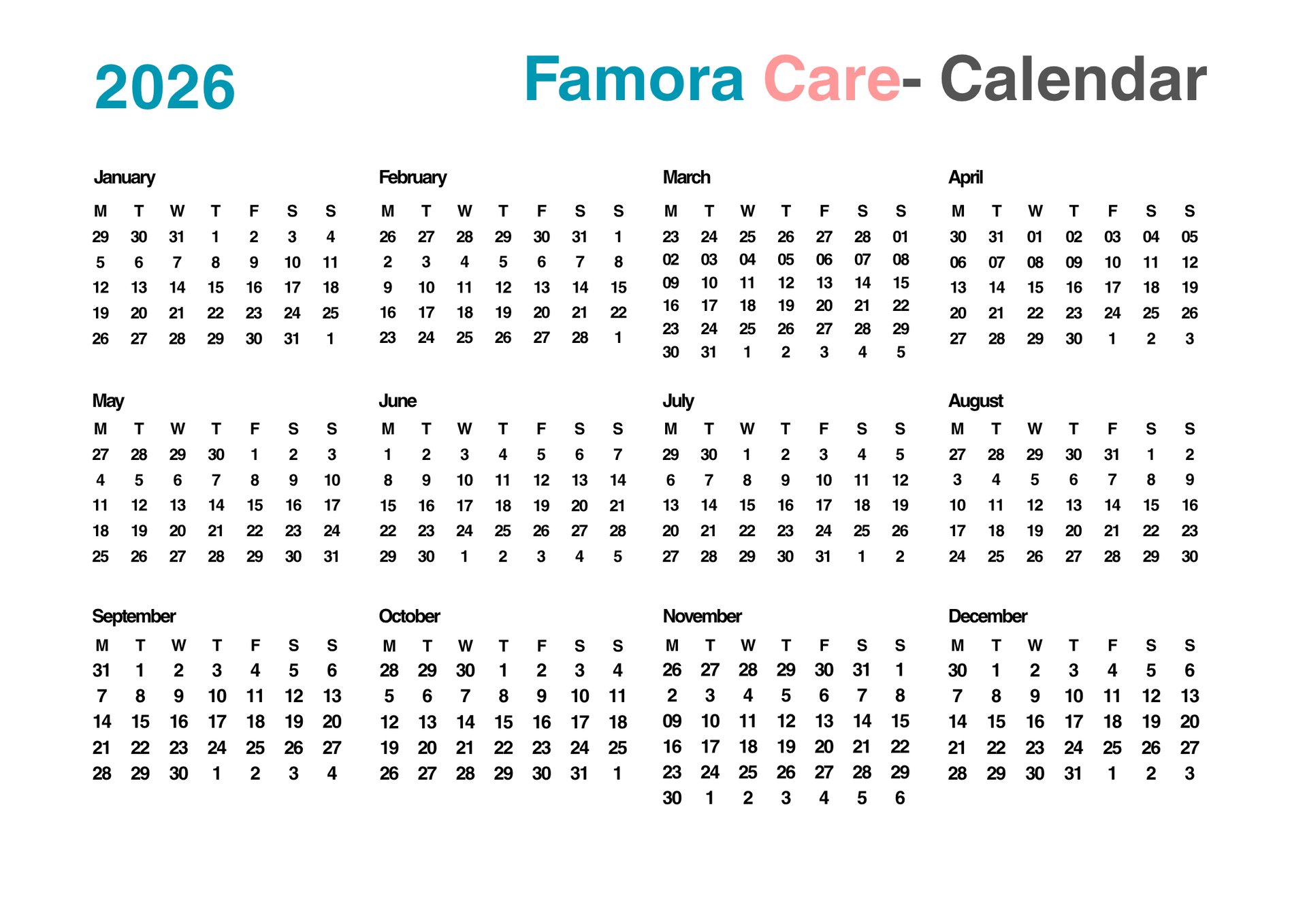
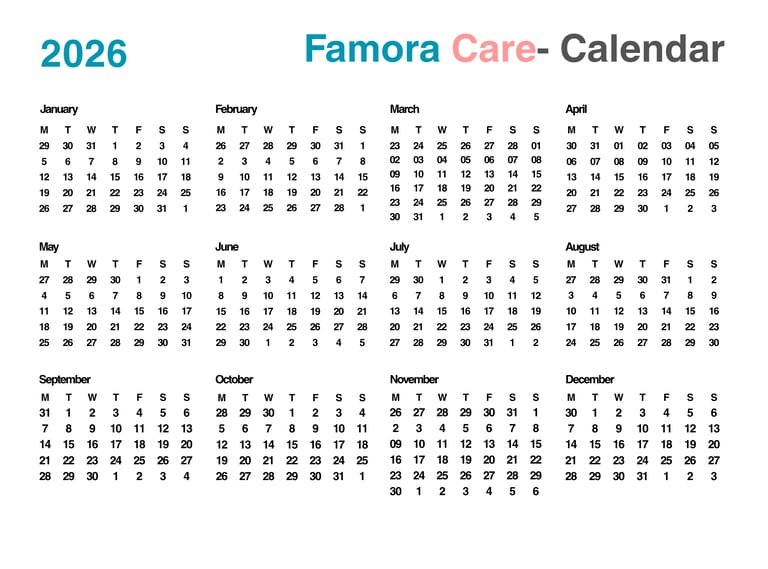
JULY MONTH
WEEK II: 6-7 July
Day 3 – Wednesday
Title: “Did You Know Your Baby Can Hear You Before Birth?”
From around the 18th week of pregnancy, your baby’s ears begin to form, and by week 25, they start responding to sound. That means when you talk, hum, or play music, they can hear you.
In the third trimester, your baby not only hears your voice, they recognize it. Science tells us that after birth, babies show a preference for their mother’s voice over others. It’s no wonder—your voice is the soundtrack of their world in the womb.
Go ahead and talk to your little one: tell them how loved they are, read them your favorite story, or just share how your day was. This simple act not only comforts them—it begins the bond that will last a lifetime.
Reference: Hepper, P. G., et al. (1993). Fetal hearing and auditory learning. Child: Care, Health and Development, 19(1), 27–36.
Hashtags:
Day 4 – Thursday
Title: “Have You Ever Wondered How Breast Milk Is Made?”
It’s amazing how a mother’s body begins preparing to feed her baby even before the baby is born.
Prolactin, the "milk-making hormone," increases during pregnancy. It prepares the milk-producing glands in your breasts to begin production.
Then comes oxytocin, the “love hormone.” When your baby suckles at your breast, nerves in your nipple send a message to your brain to release oxytocin. This hormone causes tiny muscles around the milk glands to contract and release milk—this is called the let-down reflex.
What’s even more beautiful is that the more you feed, the more your body produces. It’s a perfect natural supply-and-demand system built just for your baby.
So if you’re breastfeeding and wondering, "Am I making enough?"—remember, your body is constantly adapting to your baby’s needs. And behind every drop of milk, there’s a story of love, connection, and biology working in perfect harmony.
Reference: Ueda, T., et al. (1994). Influence of psychological stress on suckling-induced oxytocin release. Obstetrics & Gynecology, 84(2), 259–262.
Hashtags:
Day 5 – Friday
Title: “Oxytocin: The Love Hormone That Binds Parents and Babies”
When you hold your baby close, breastfeed, or simply gaze into their eyes, your body releases a powerful hormone called oxytocin—sometimes called the “cuddle chemical.”
For mothers, oxytocin plays a key role during labor and helps milk flow during breastfeeding. But its job doesn’t stop there—it promotes emotional bonding, reduces stress, and helps you feel calm and connected to your baby.
For fathers and partners, oxytocin rises when they spend quality time with the baby—changing diapers, skin-to-skin contact, or just cuddling.
This means bonding isn’t only biological—it’s built through presence and love. The more engaged a parent is, the more oxytocin is released—and the stronger the connection becomes.
So to every parent wondering if they’re doing enough: your touch, your voice, your presence—it’s all powerful. You are building love, brain to brain, heart to heart.
Reference: Feldman, R., et al. (2010). Oxytocin and the development of parenting. Biological Psychiatry, 68(4), 377–382.
Hashtags:
Day 6 – Saturday
Title: “Crying Is Not Just Noise—It’s Your Baby’s First Language”
Newborns don’t come with instructions—but they do come with one very powerful tool: their cry.
Whether your baby is hungry, tired, cold, or just wants to be held, their cry is how they speak to you. And while it can sometimes feel overwhelming, especially in the early days, crying is a healthy, vital part of newborn communication.
Studies show that when caregivers respond to a baby’s cries with warmth and consistency, babies feel safer, build trust, and grow emotionally secure.
So next time your baby cries, don’t hesitate to respond. You’re not “spoiling” them—you’re showing them the world is a safe place, that their needs matter, and that they are deeply loved.
Reference: Bell, S. M., & Ainsworth, M. D. S. (1972). Infant crying and maternal responsiveness. Child Development, 43(4), 1171–1190.
We’re here to support your motherhood journey.
Call or message us
+250 788 354 216
Copyright-2026©Famoracare. All rights reserved. Designed by Consultoria Virtual