
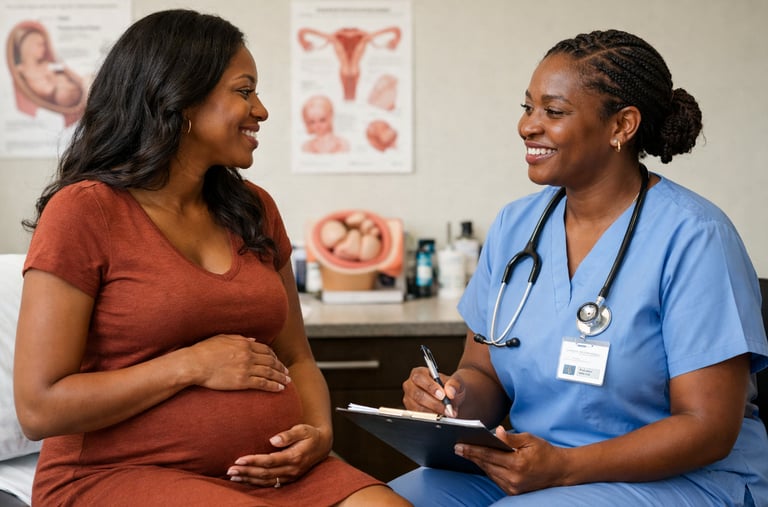
Consultation with midwife

Our Comprehensive Approach
We combine evidence-based maternal health practices with digital convenience and personalised care, creating a complete support system for your maternal health journey.
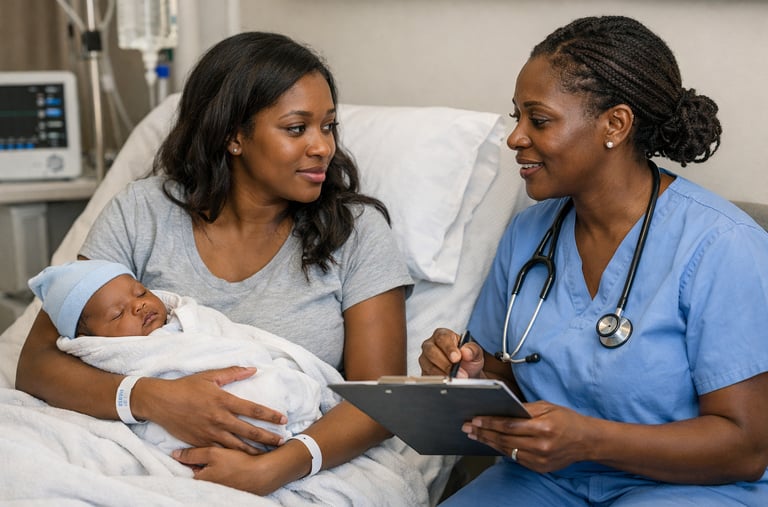
Through 24/7 digital access and in-person home care, we connect you with experienced midwives, nutritionists, and trained expert mother companions. You'll be part of a vibrant online community of supportive mothers at every stage of their journey.
Human Life In The Womb
From a single-celled human to a baby with a beating heart, brainwaves, fingers, and toes, Olivia shows the remarkable beauty of a unique life within the womb.


Request Consultation with a Midwife
Click below to request consultation with a midwife. We'll get back to you within 24 hours.
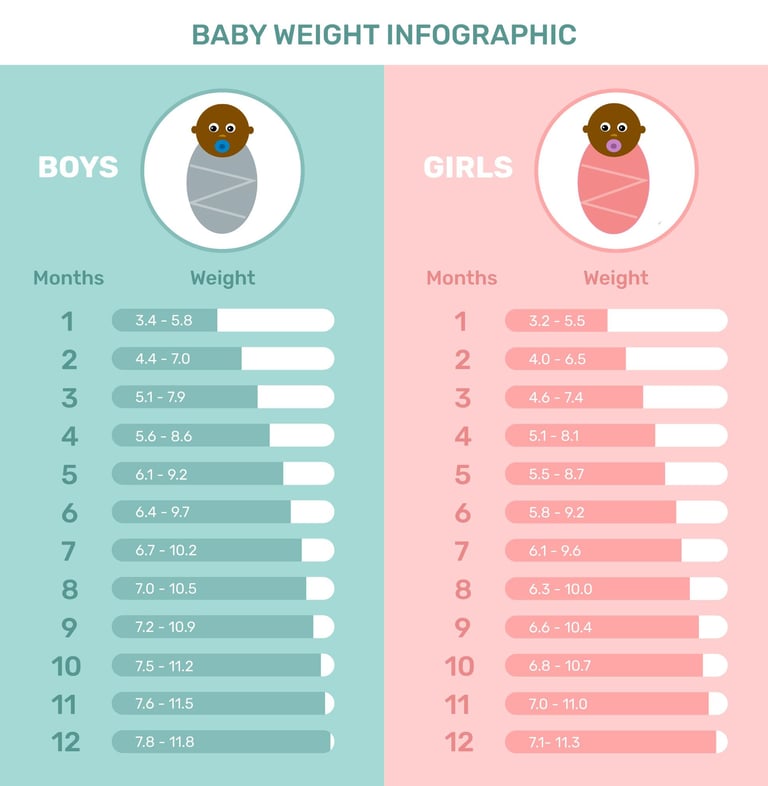
Baby Development
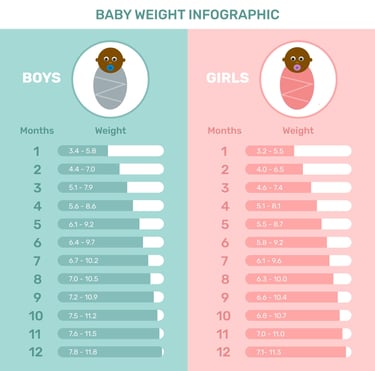
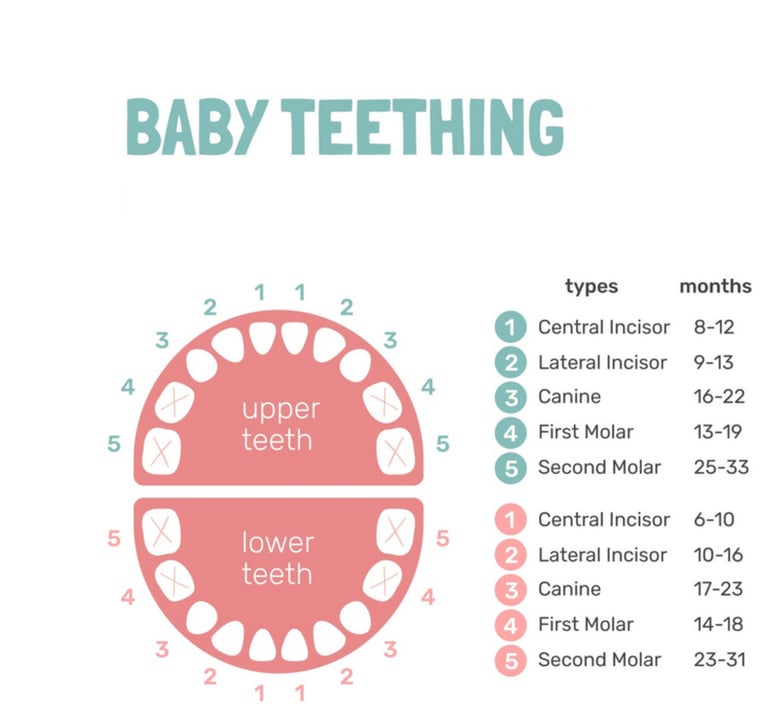
Parenting Checklist
Pregnancy (before birth)
Attend all antenatal visits at the health centre.
Take iron/folic acid and any supplements given by health workers.
Eat beans, sweet potatoes, bananas, leafy greens, fruits, milk, eggs, and drink safe water.
Avoid alcohol, cigarettes and unknown medicines.
Plan delivery at a health facility and arrange transport and a birth companion.
0–6 months (newborn period)
Deliver in a health facility if possible.
Start breastfeeding within 1 hour after birth.
Give only breast milk (no water, porridge, herbs) for 6 months.
Keep baby warm, clean and close (skin‑to‑skin is good).
Attend all vaccination and growth‑monitoring visits.
Go to the clinic quickly if baby has fever, breathing problems, diarrhoea or feeds poorly.
6–24 months (feeding and development)
Continue breastfeeding on demand up to 2 years or more.
Start soft family foods at 6 months: mashed beans (iron beans), orange sweet potatoes, bananas, potatoes, cassava, ugali, avocado, eggs, fish, leafy greens.
Feed 2–3 times/day at 6–8 months, 3–4 times/day plus 1–2 snacks at 9–24 months.
Wash hands with soap before cooking and feeding.
Talk, sing and play with your child daily; respond when they make sounds or try to speak.
2–5 years (early childhood)
Give three family meals plus healthy snacks and safe water daily.
Keep vaccinations up to date; deworm as advised by health workers.
Encourage play, drawing, stories and songs in Kinyarwanda and at home language.
Teach respect, sharing and peaceful behaviour; avoid harsh physical punishment.
Start early learning: name colours, animals, numbers, objects around the home.
Family, culture and support
Involve fathers and grandparents in caring, playing and teaching.
Keep important Rwandan traditions (naming, visiting elders) while protecting the child’s health and safety.
Seek help from health centres, teachers, church/mosque and local leaders when you have questions or worries.
If you feel very sad, angry or overwhelmed, talk to a counsellor, health worker or trusted elder.
We’re here to support your motherhood journey.
Call or message us
+250 788 354 216
Copyright-2026©Famoracare. All rights reserved. Designed by Consultoria Virtual